Although Many Advances Have Occurred in the Treatment of Schizophrenia
Schizophrenia is a disease syndrome with major public health implications. Forensic patients with schizophrenia who fail to adhere to prescribed antipsychotic medication risk recidivism which continues to be a serious concern.
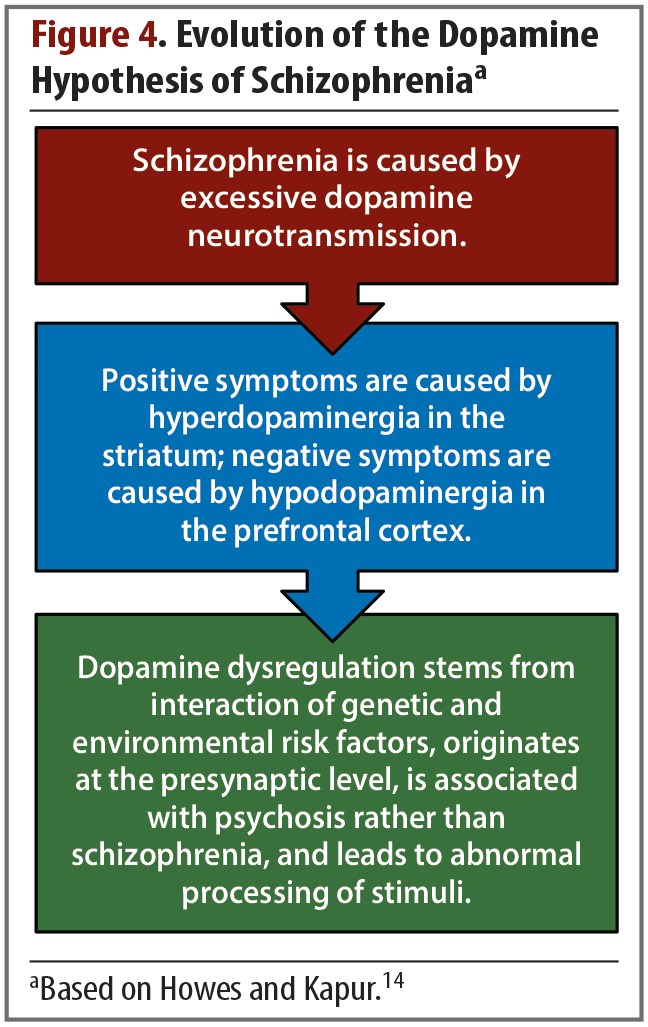
Emerging Treatments In Schizophrenia Psychiatrist Com
Although advances have undoubtedly occurred considered reflections about the seminal contributions of Bleuler - and indeed Kraepelin - in this centenary year may make one wonder whether these treatment advances are a somewhat thin veneer rather than the step.
. However a long list of dissenters have enthusiastically advocated this treatment eg. Although many advances have occurred in the treatment of schizophrenia asked Apr 3 2016 in Psychology by Prodigy. Antipsychotic drugs have been the mainstay of schizophrenia treatment since the introduction of chlorpromazine focusing on decreasing the frequency and severity of psychotic episodes as well as improving the functional capacity of individuals with schizophrenia.
Although treatment goals of. Although many atypical antipsychotic drugs have been developed and some of them approved for treating schizophrenia olanzapine remains invaluable for. Despite treatment advances over the past decades schizophrenia remains one of the most severe psychiatric disorders that is associated with a chronic relapsing course and marked functional impairment in a substantial proportion of patients.
Although they have always been associated most strongly with the treatment of psychosis schizophrenia and bipolar disorder they are also used widely in many other situations where their tranquilising or sedative effects could be useful including agitation and challenging behaviour in people with dementia and learning difficulties anxiety. Barriers to progress have been substantial but many will be subject to rapid change based on current knowledge. 59 The increased mortality among patients with schizophrenia has been attributed to unhealthy lifestyles common among this population ie lack of exercise unhealthy diet and excessive smoking.
13 Moreover some studies have shown that 30 of individuals with. The long-term outcome for patients is still quite poor. Psychopharmacologic treatment is needed to achieve and maintain recovery.
It affects all stages of trial proceedings and impacts on the treaters liability. Although much remains unchanged since the authors reviewed the subject in 1986 significant advances have. Most guidelines recommend long-term indefinite neuroleptic orantipsychotic treatment for people with schizophrenia recurrentpsychosis or bipolar disorder on the basis that these medicationsreduce the chance of relapse.
In the last 20 years a number of studies have shown that cognitive-behavioral psychotherapy is effective to reduce the symptoms of schizophrenia especially when combined with antipsychotic drug therapy while psychodynamic therapy is not effective. The psychoanalytic treatment of schizophrenia has had a long and controversial history. To treat the positive symptoms of acute schizophrenic episodes.
C few treatments if any are effective for hallucinations. 42 Progress in the area of psychological therapies for schizophrenia is currently emerging in that there is. However several recent advances have been made in diagnosis.
Patients with schizophrenia are at high risk for victimization because they frequently live in unsafe conditions and. Approximately 10 to 30 of individuals with schizophrenia experience a limited benefit from antipsychotic treatment. Treatments discovered in the 1960s are still the most effective.
Although many advances have occurred in the treatment of schizophrenia the long-term outcome for patients is still quite poor. B the long-term outcome for patients is still quite poor. Freud and his more orthodox followers felt that schizophrenics were not suitable for psychoanalysis.
Although many advances have occurred in the treatment of schizophrenia Select one. Although many studies have been conducted to clarify the underlying mechanism of the disease the main cause and pathophysiology of schizophrenia still remains elusive since there is considerable heterogeneity in symptoms and long-. The primary advance in pharmacotherapeutics was in 1952 with the introduction of antipsychotic medications ie chlorpromazine dopamine D2 antagonism.
A treatments discovered in the 1960s are still the most effective. Few treatments if any are effective for hallucinations. Alternative drugs may offer clearer understanding of underlying mechanisms Since the 1950s when chlorpromazine was introduced into psychiatric practice antipsychotic drugs have been the cornerstone of the management of schizophrenia.
C few treatments if any are effective for hallucinations. Schizophrenia was a group of conditions rather a single nosological entity. 33 Although many advances have occurred in the treatment of schizophrenia A treatments discovered in the 1960s are still the most effective.
Despite continued therapeutic advances the life expectancy of patients with schizophrenia is reduced by approximately 10 to 25 years compared with that of healthy individuals. Schizophrenia is a highly disabling disorder whose causes remain to be better understood and treatments have to be improved. Despite pharmacologic advances the treatment of schizophrenia remains a challenge and suboptimal outcomes are still all too frequent.
They have three main functions. B the long-term outcome for patients is still quite poor. However neuroleptics have significantadverse effects including sexual dysfunction emotional bluntingmetabolic.
Pharmacological treatments in schizophrenia.
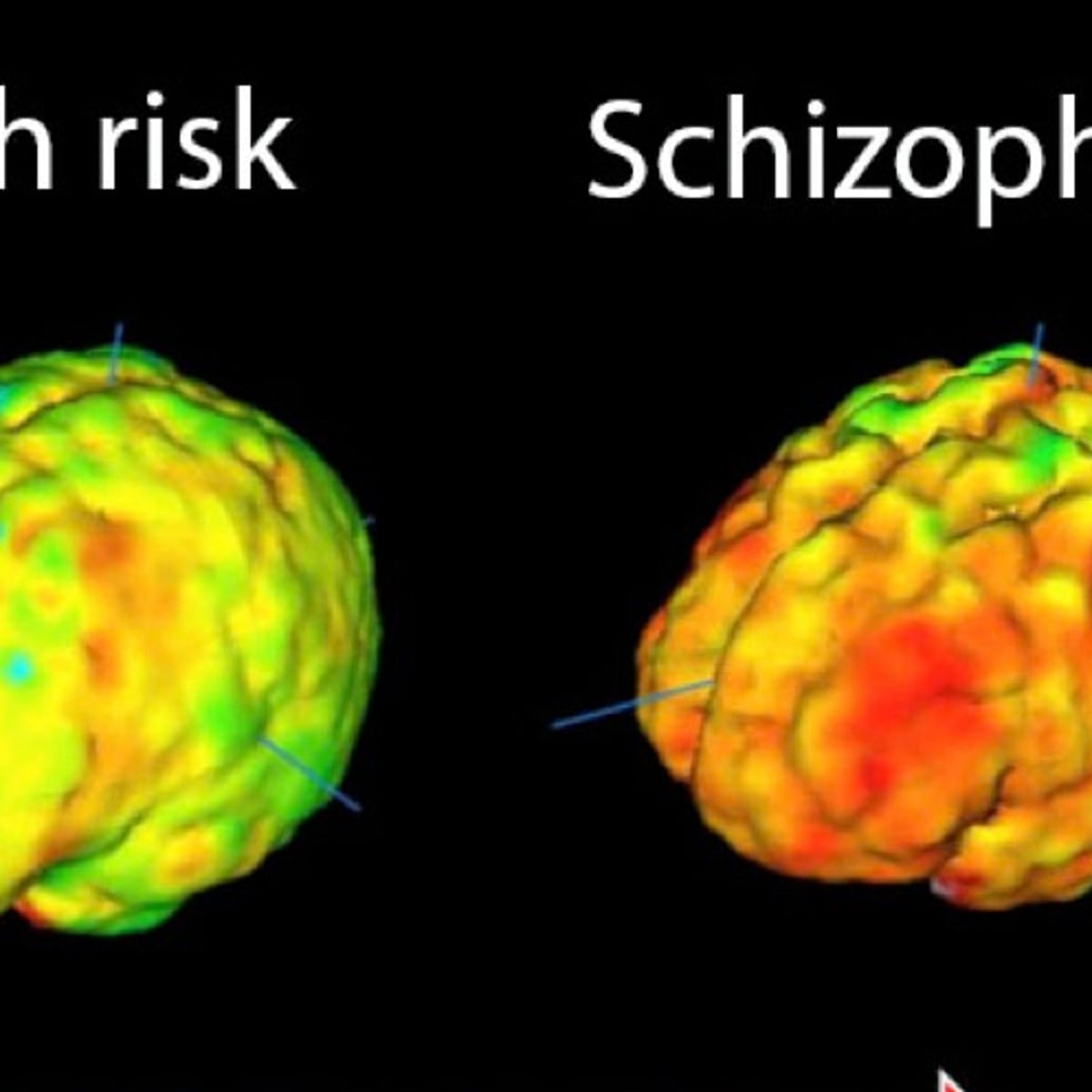
Radical New Approach To Schizophrenia Treatment Begins Trial Schizophrenia The Guardian
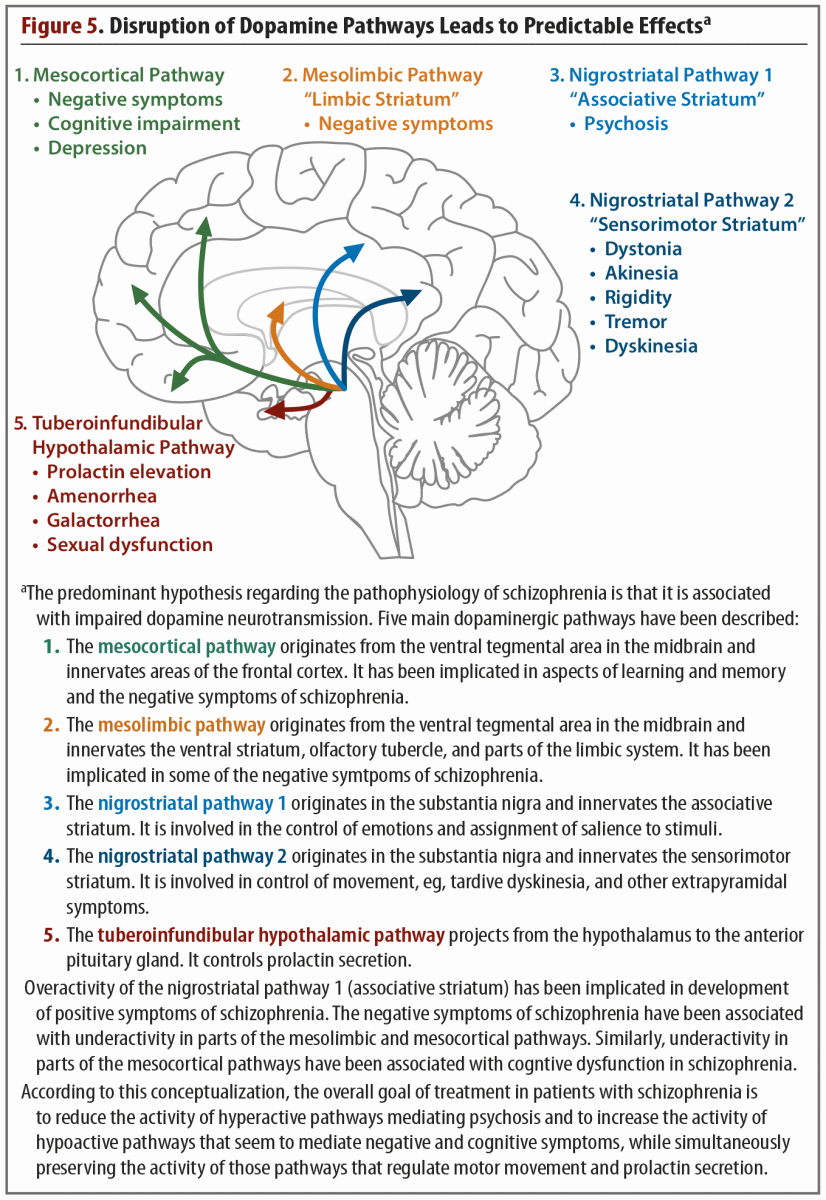
Emerging Treatments In Schizophrenia Psychiatrist Com
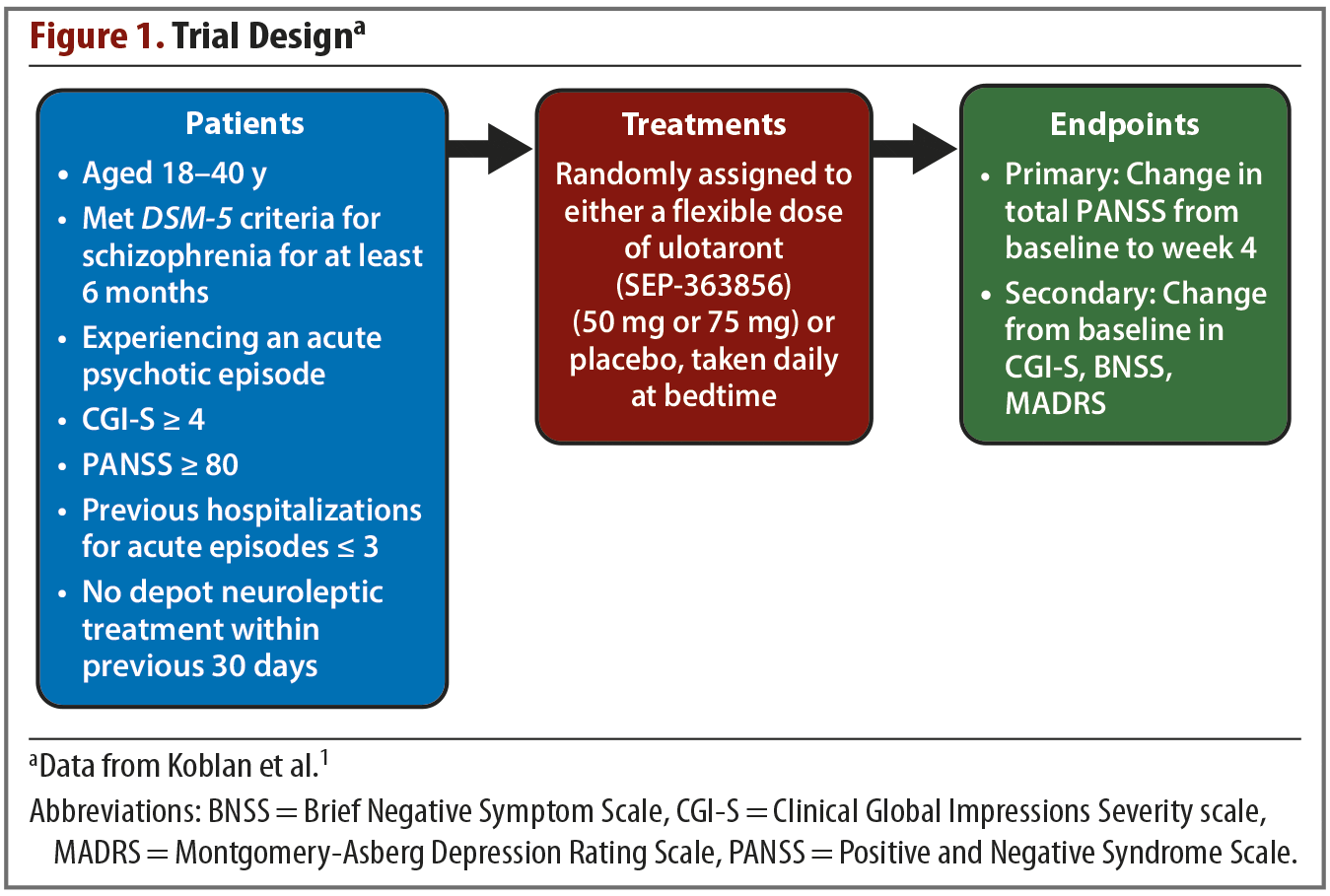
Emerging Treatments In Schizophrenia Psychiatrist Com
No comments for "Although Many Advances Have Occurred in the Treatment of Schizophrenia"
Post a Comment